
LOCATION - ACCOMODATION
LOCATION
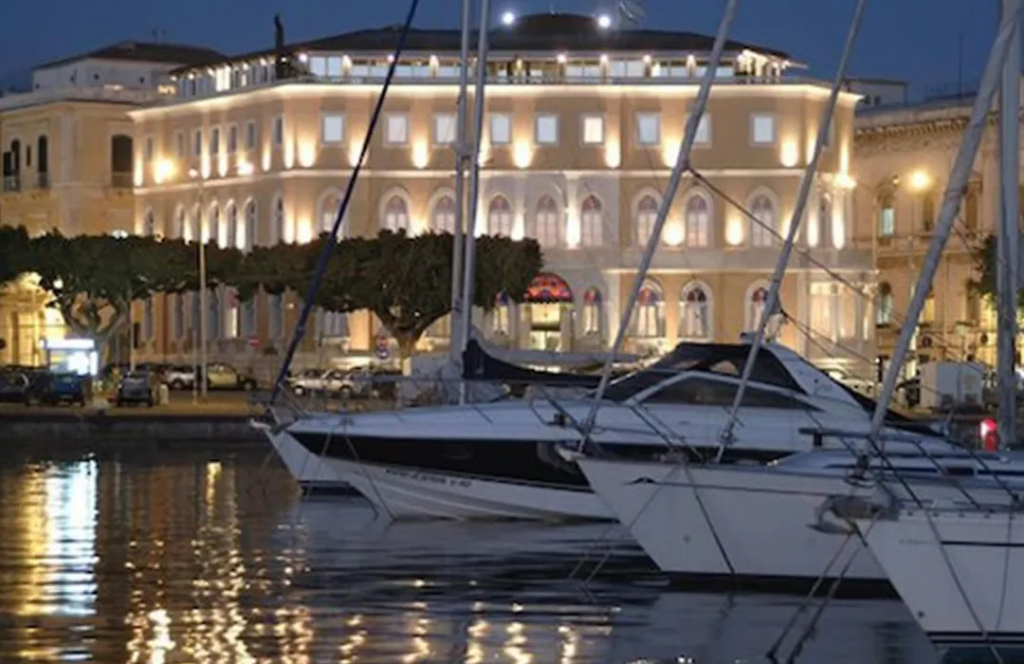
The school will take place at the Grand Hotel Ortigia, a historic residence of the late nineteenth century, completely renovated in 1995, that with its refinement without excesses has kept alive the charm of its origins, the architectural lines and the charm of its Art Nouveau style
Ortigia Island: A Jewel of History and Beauty in the Heart of Sicily
Ortigia, also known as Ortygia, is a small island off the coast of Sicily, forming the historical center of the city of Syracuse. Despite its compact size, Ortigia is a treasure trove of history, mythology, and Mediterranean charm.
Historical Significance
Ortigia has been inhabited since ancient times, serving as the heart of Greek Syracuse, one of the most powerful cities of the ancient Mediterranean world. According to mythology, it is the place where the goddess Artemis turned the nymph Arethusa into a freshwater spring—Fonte Aretusa, still flowing today near the sea.
Throughout the centuries, Ortigia has been shaped by Greeks, Romans, Byzantines, Arabs, Normans, and Spanish, each leaving their architectural and cultural mark. The island’s winding streets and baroque buildings reflect this rich tapestry.
Key historical sites include:
· Temple of Apollo – one of the oldest Doric temples in Sicily.
· Cathedral of Syracuse (Duomo) – built atop a Greek temple to Athena; it brilliantly blends pagan, Norman, and Baroque architecture.
· Castello Maniace – a 13th-century fortress offering panoramic sea views.
Lorem ipsum dolor sit amet, consectetur adipiscing elit. Ut elit tellus, luctus nec ullamcorper mattis, pulvinar dapibus leo.
Aesthetic and Natural Beauty
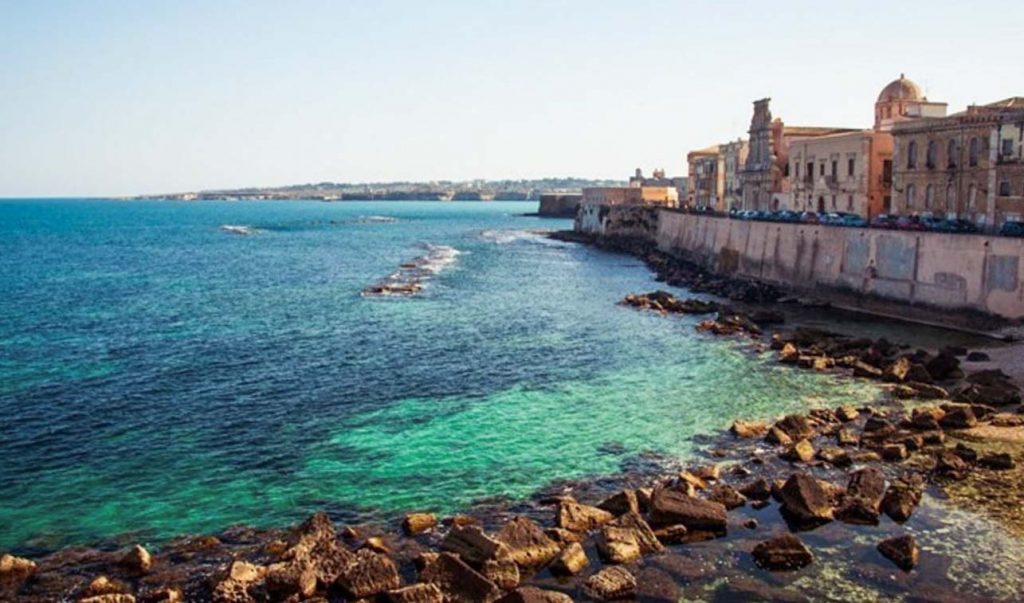
Surrounded by turquoise waters and connected to the mainland by bridges, Ortigia enchants visitors with its narrow cobbled streets, lively piazzas, elegant balconies, and romantic seafront promenades. The island boasts a vibrant yet relaxed atmosphere, where golden-hued buildings reflect the warm Sicilian sun.
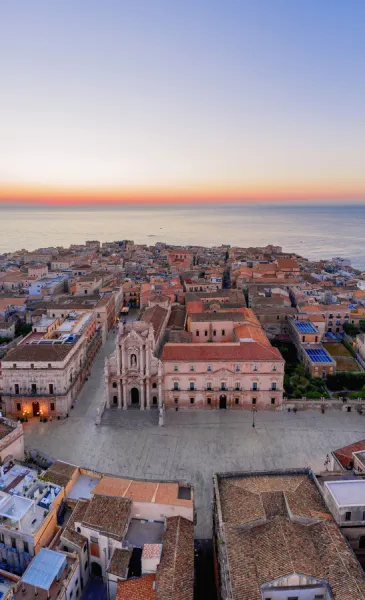
Charming cafes, artisan shops, and bustling local markets (like the famous Ortigia Market) add to its allure. At sunset, the light over the Ionian Sea casts a magical glow across the limestone buildings—it’s a sight that captures the soul of Sicily.
Built at the end of the nineteenth century, the Hotel is now more than a hundred years old, and although it was completely renovated in 1995, it maintains the original architectural lines and the charm of the Liberty style. Inside, the Spanish Walls (Sala Bastione) and other archaeological finds in the so-called “Small Museum” are preserved in perfect condition.